Buy Kickstart


This plugin is life-changing. I’ve told Nicky it would be awesome to make the bass & duck communicate, and he’s done it! Just by moving the slope, I have a perfect sidechain for my kick.

Mixing in 2022 is more important than ever, especially for dance floor tracks. The kick is the most important element in most dance tracks and it really needs a proper place in your mix. This new version gives more hands on tools to shape the place of your kick in the mix, to make sure it has the perfect impact on the dance floor! Essential!
A sidechain tool I've been looking for my whole life. Thank you Nicky for letting me help during the development of the plugin. It's a must have tool!
An already powerful tool just got even better. Kickstart 2 comes with insane flexibility and awaited new features. The perfect side-chain pump plug-in just arrived… and she’s gorgeous.
This plugin is life-changing. I’ve told Nicky it would be awesome to make the bass & duck communicate, and he’s done it! Just by moving the slope, I have a perfect sidechain for my kick.
Mixing in 2022 is more important than ever, especially for dance floor tracks. This new version gives more hands on tools to shape the place of your kick in the mix, to make sure it has the perfect impact on the dance floor! Essential!
A sidechain tool I've been looking for my whole life. Thank you Nicky for letting me help during the development of the plugin. It's a must have tool!
An already powerful tool just got even better. Kickstart 2 comes with insane flexibility and awaited new features. The perfect side-chain pump plug-in just arrived… and she’s gorgeous.
Kickstart 2 instantly solves the problem of clashing, muddled kick and bass.
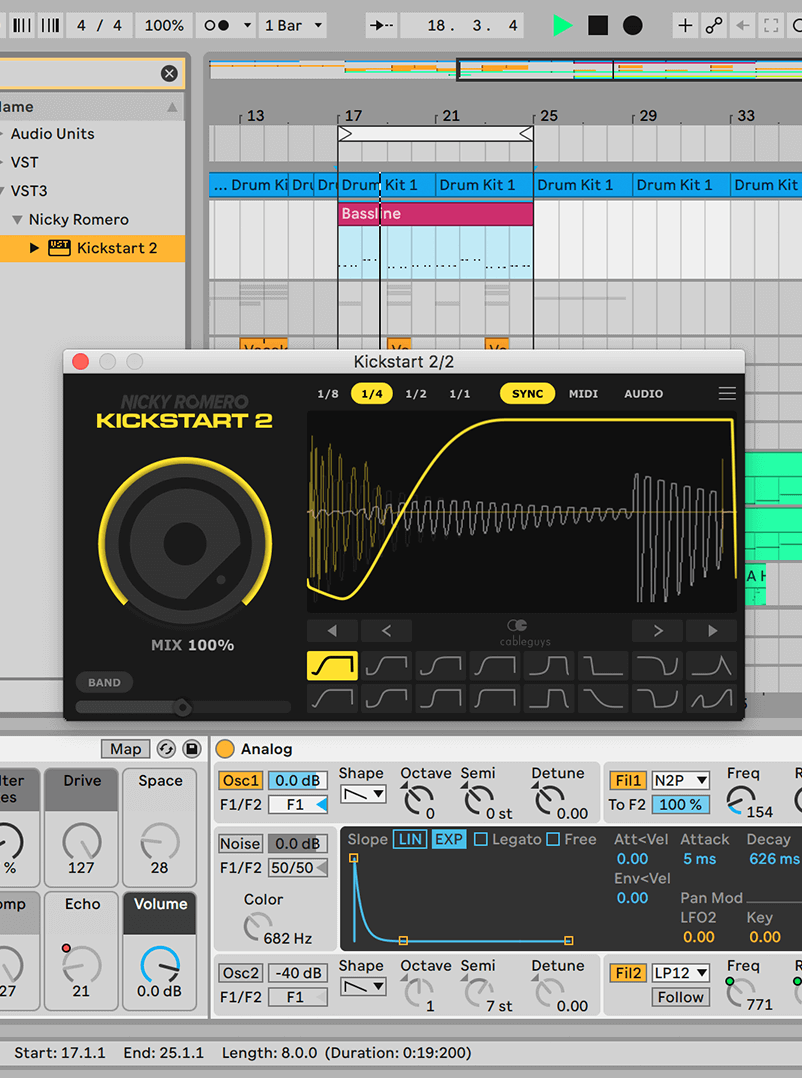
Forget fiddling about with compressors – Nicky Romero and Cableguys put everything you need for professional sidechaining into one fast, easy plugin. Just drop Kickstart on any track to instantly duck the volume with each kick drum, creating space for your bass.
Now your kick and bass will punch right through the speakers with professional impact, definition and groove. Use it for EDM, trap, house, hip-hop, techno, DnB – anything.

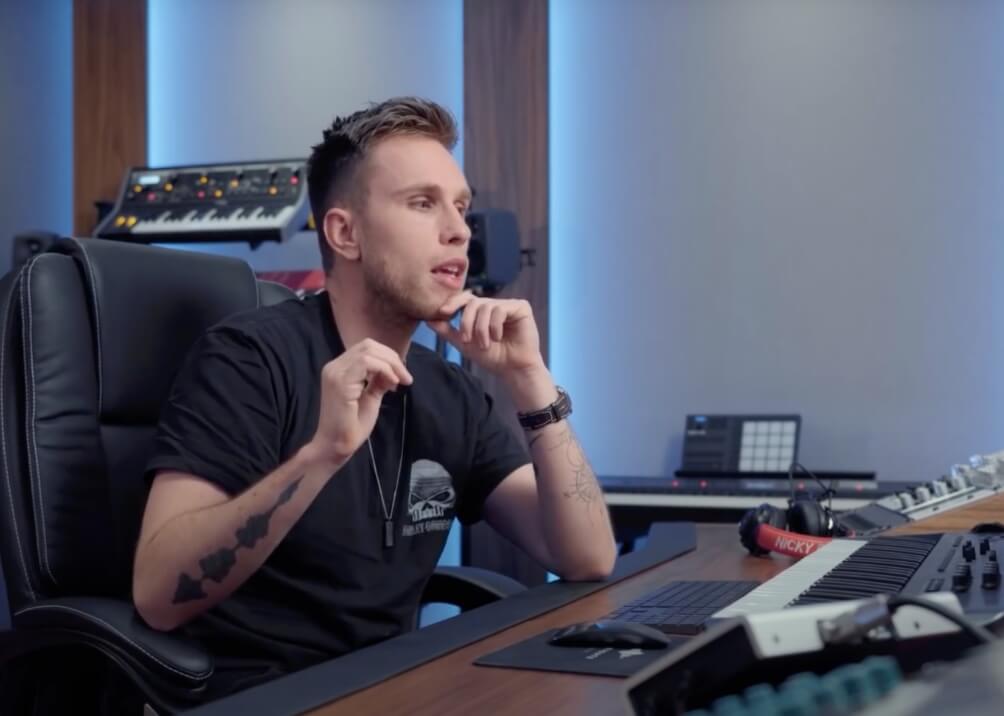

Use Kickstart in any DAW, for any style of music. EDM, trap, house, hip-hop, techno, DnB, and beyond
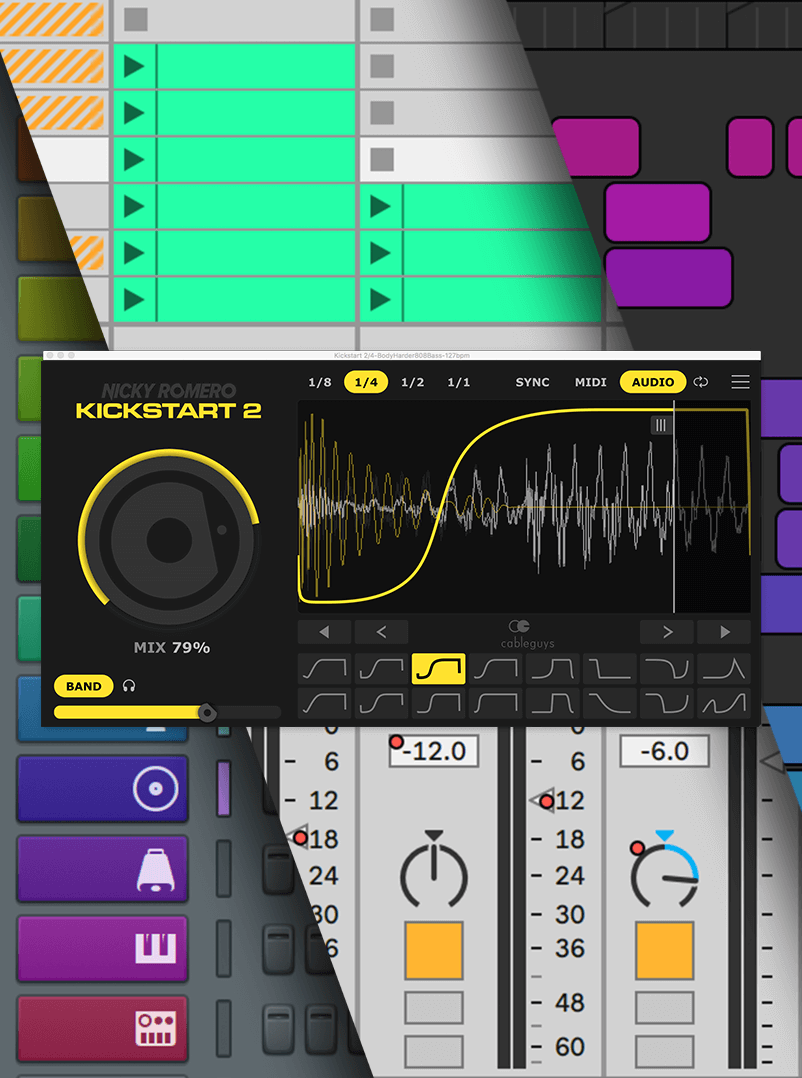
Add Kickstart – instantly get sidechain ducking, with no setup
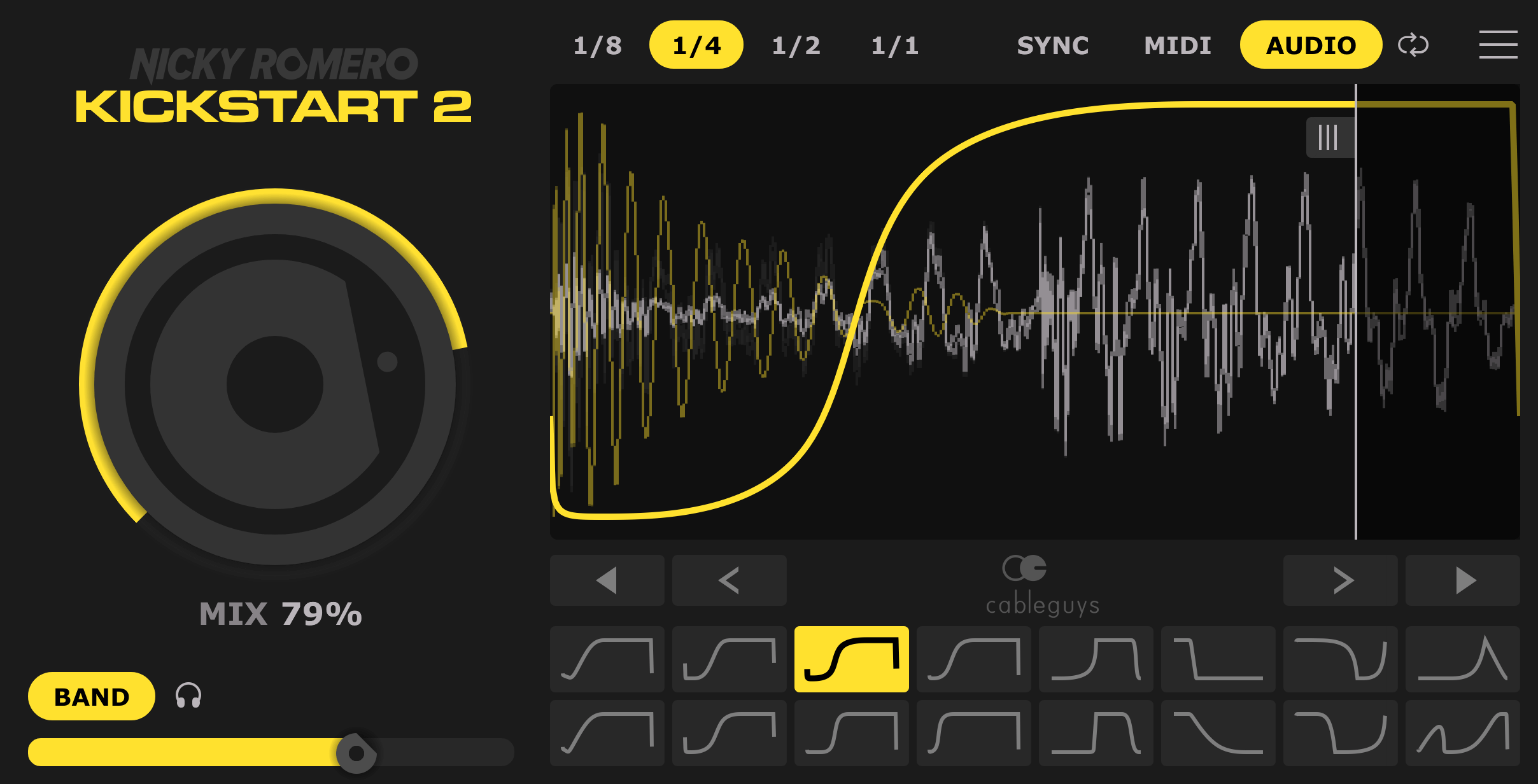
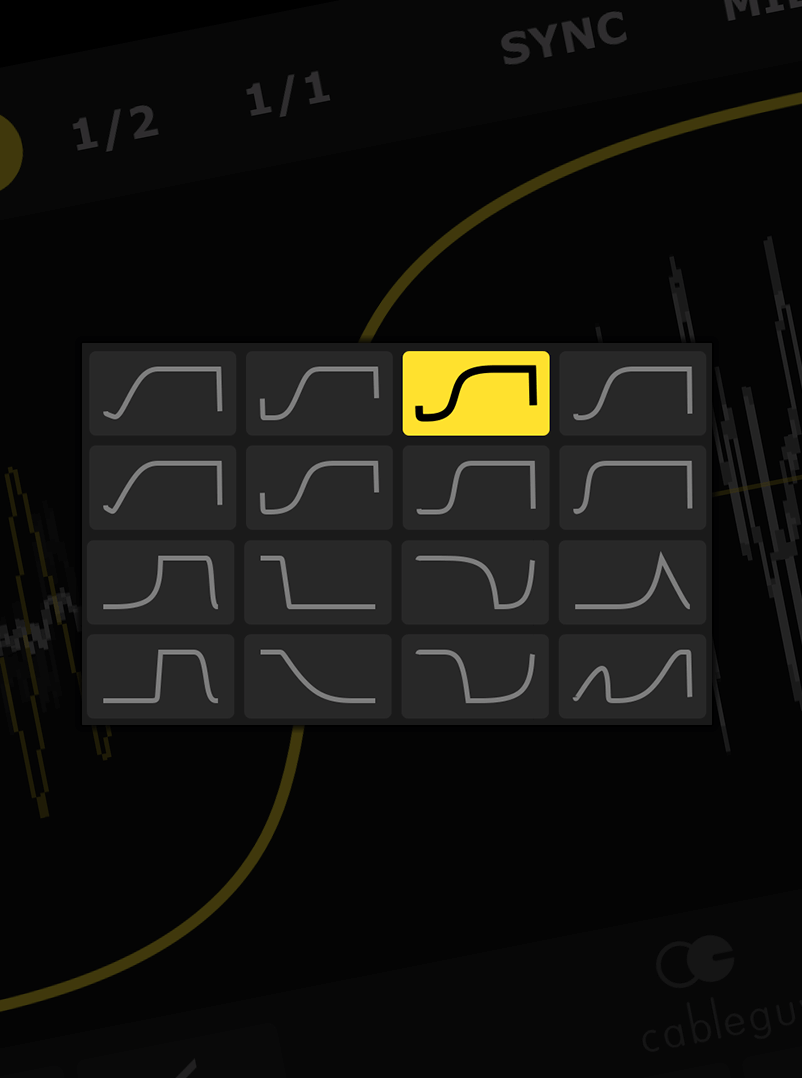
The exact curves Nicky Romero uses to get tracks sounding massive in the club Politically, the era saw the shift from subjects
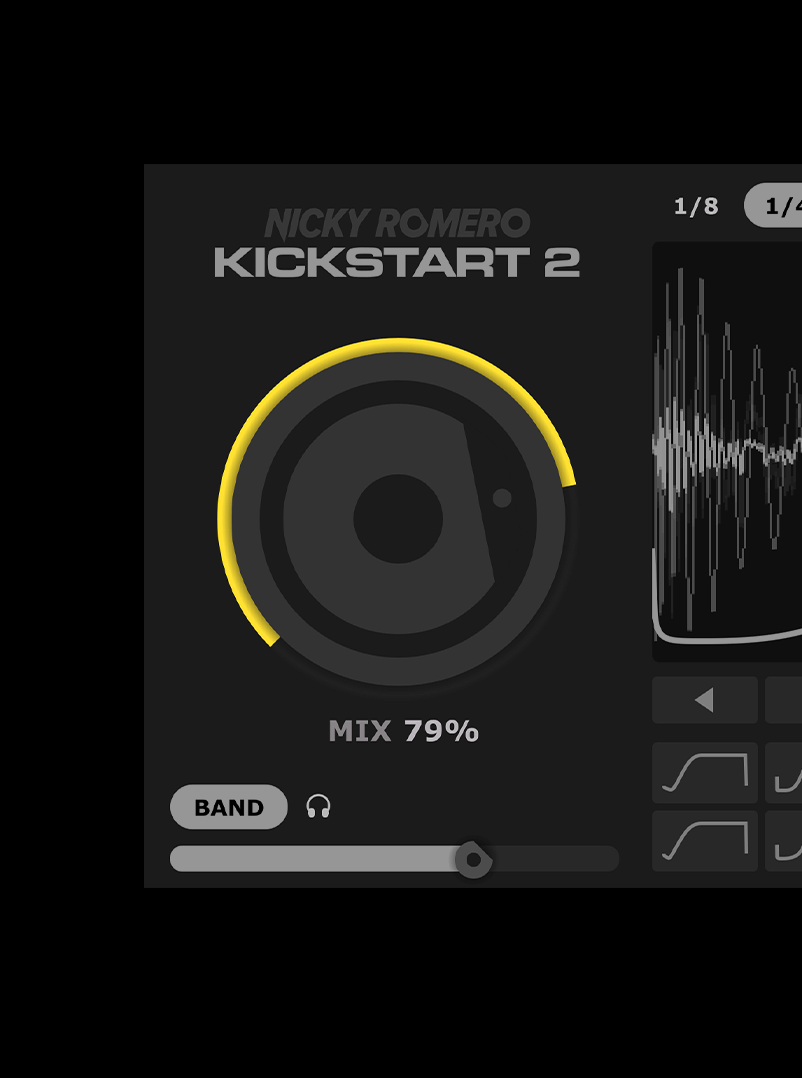
Easily adjust the strength of the sidechain effect to fit any mix
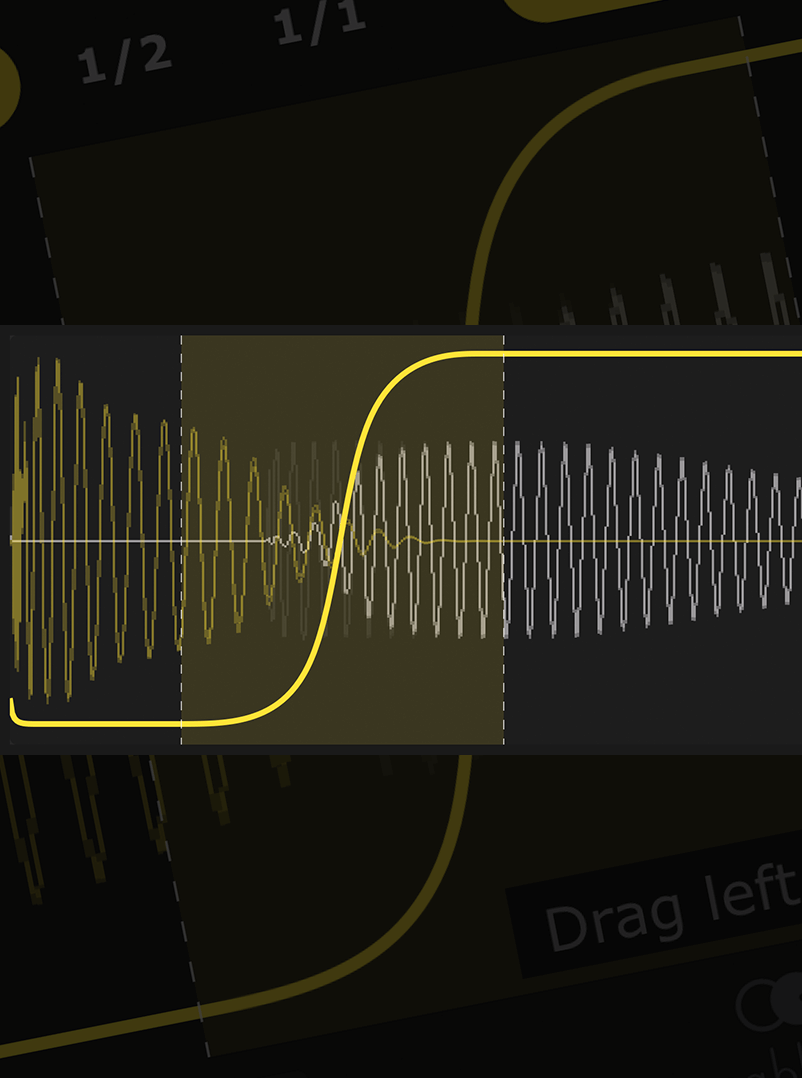
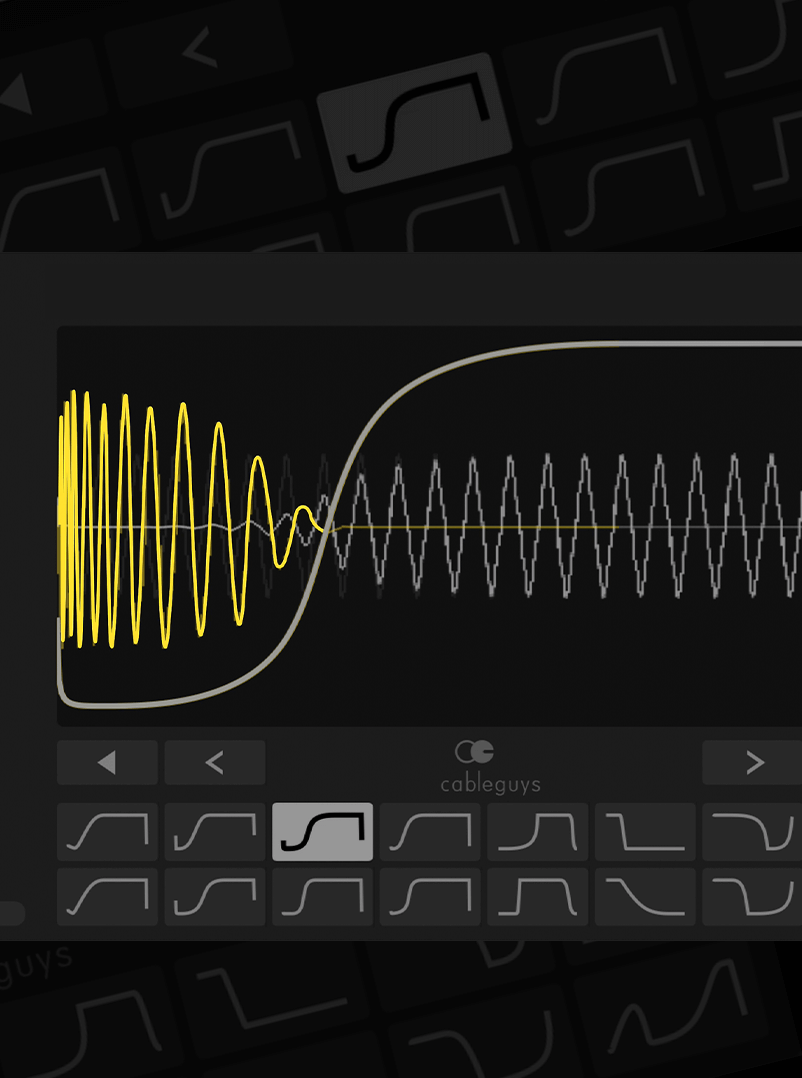
Forget complex editing tools – just drag the curve to fit any kick, long or short
Kick not 4/4? No problem – Kickstart follows any kick pattern with new Cableguys audio triggering authored by V.S. Koshelev
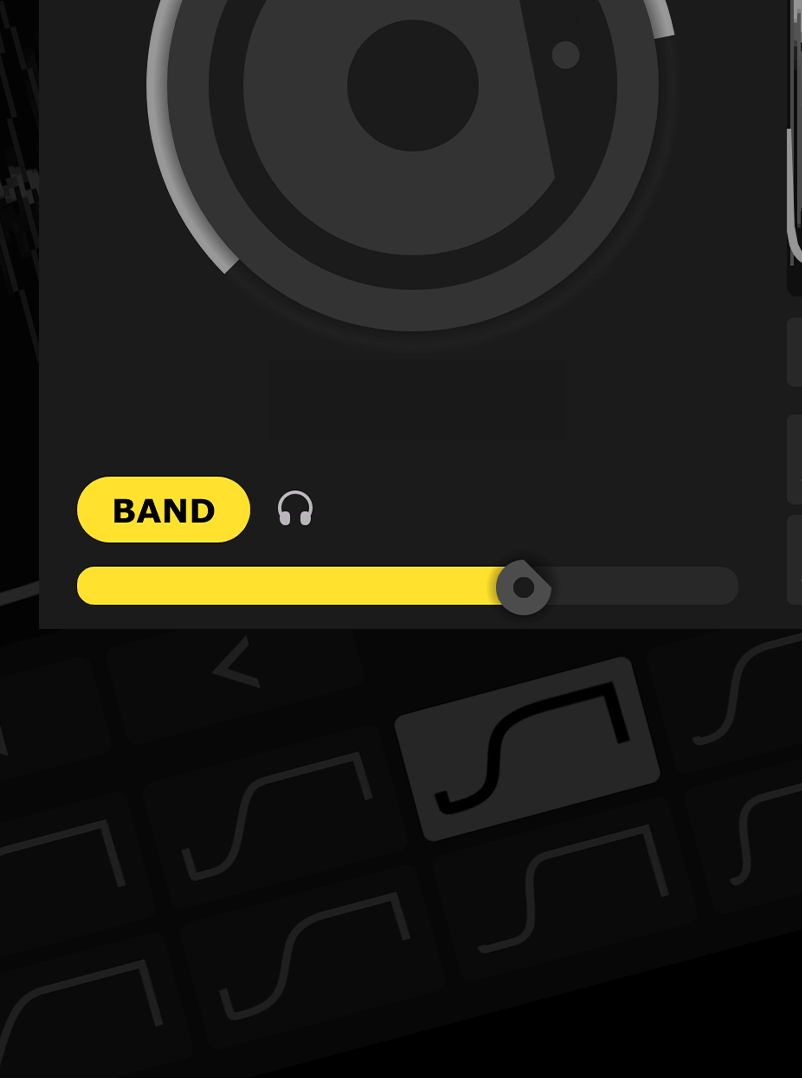
Easily duck only the lows of your bassline – the pros’ secret trick for tight bass with full frequencies
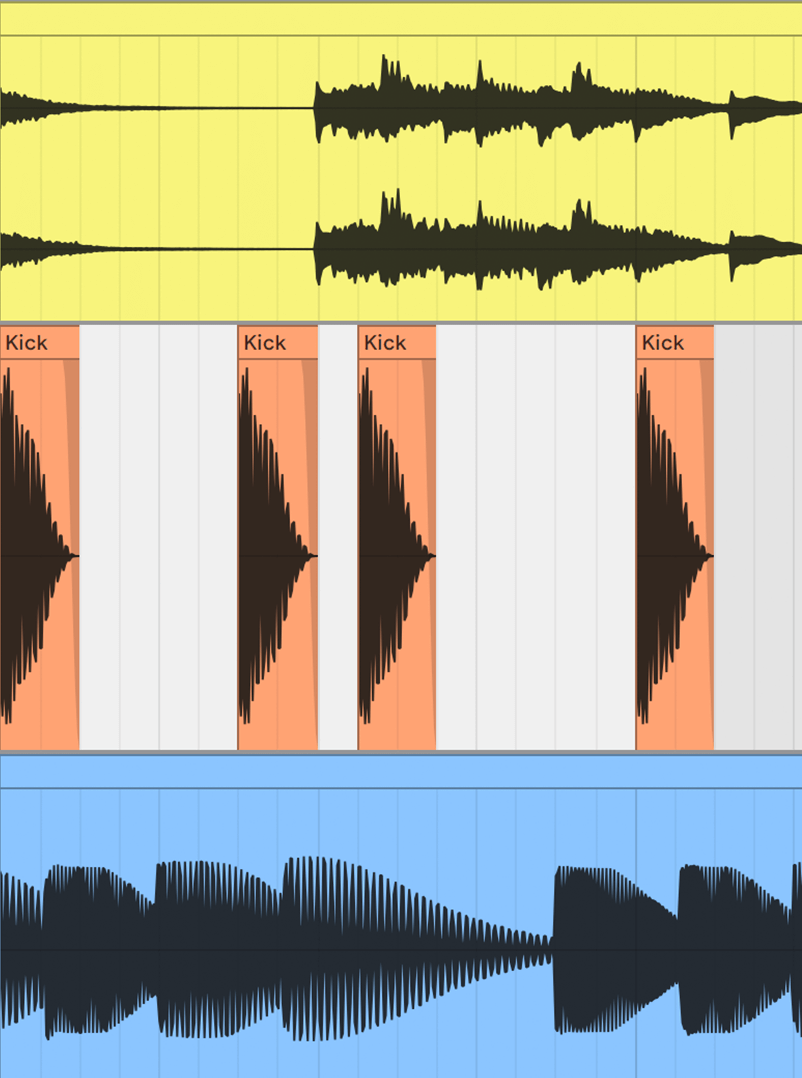
See kick and bass waveforms on the same display – get your lows locked tight like never before
Simultaneously, the Industrial Revolution provided the material basis for this change. The transition from manual labor to machine production created a new urban landscape. However, the text does not shy away from the "social question": the emergence of the proletariat and the stark inequalities that led to the birth of socialism and Marxism. This duality—technological progress versus social struggle—is a central pillar of the 9th-grade study. The Rise of Nationalism and Imperialism
The narrative of the 19th century begins with the echoes of the French Revolution and the steam of the Industrial Revolution. Koshelev emphasizes that these were not isolated events but a "dual revolution" that redefined human existence. Politically, the era saw the shift from subjects of a crown to citizens of a state. The struggle for constitutions, civil liberties, and universal suffrage—seen in the Revolutions of 1848—highlights the messy transition toward democracy.
Below is an essay analyzing the core themes, historical transitions, and educational philosophy presented in the curriculum associated with this text.
A significant portion of the 9th-grade curriculum is dedicated to the "National Idea." The unification of Germany under Bismarck and Italy under Cavour and Garibaldi serves as a case study in how cultural identity was transformed into political power. Koshelev guides students to see nationalism as a double-edged sword: it acted as a unifying force for fragmented peoples but also became the fuel for aggressive imperialism.
The Crucible of Modernity: Transitions in 19th-Century World History
The 19th century was not merely a chronological bridge between the Middle Ages and the contemporary world; it was a "crucible" where the modern identity of the West and the East was forged. Through the lens of V.S. Koshelev’s curriculum, the history of this period is framed as a relentless drive toward modernization, characterized by the collapse of absolute monarchies, the rise of industrial capitalism, and the complex, often violent, birth of nation-states. The Dual Revolution: Industrial and Political
V.S. Koshelev’s World History of the Modern Era provides 9th-graders with more than just dates; it provides a map of the forces that govern our current world. It illustrates that modernity was bought at the price of revolution, colonial exploitation, and social upheaval. By studying this era, students recognize that the institutions we often take for granted—the nation-state, industrial economy, and civil rights—are relatively young and were born out of the intense friction of the 19th century.
This textbook, authored by V.S. Koshelev, serves as a standard foundational text for 9th-grade students in several Eastern European and CIS educational systems. It covers the "Modern Era" ( Novoye Vremya ), specifically focusing on the pivotal 19th and early 20th centuries.