January 19, 2026
Championing the rights of the preborn doesn’t equal ignoring or devaluing women. Experience proves we can love them both.
Though perhaps not as overplayed today as some of Jašar's massive 80s hits like Jednoj ženi za sećanje dugo , this track holds a revered spot among true aficionados of the "golden era" of Južni Vetar. It stands as a testament to a time when folk music relied heavily on strong vocal capability and distinct, instantly recognizable orchestra identities. 💡
By 1996, the Južni Vetar (Southern Wind) collective, spearheaded by Miodrag M. Ilić (Mile Bas), had already revolutionized the Balkan music scene by injecting South Asian, Turkish, and Middle Eastern rhythmic and melodic influences into traditional folk. Though perhaps not as overplayed today as some
Jašar Ahmedovski is widely celebrated for his piercing, emotional vocal timbre. Ilić (Mile Bas), had already revolutionized the Balkan
He does not merely sing the lyrics; he pleads and laments. While many associate the height of both artists
While many associate the height of both artists with the 1980s, this 1996 piece proved they could still deliver masterclasses in emotional delivery well into the late 90s. 🏆 Legacy in Balkan Pop-Folk
The track centers on a powerful geographic metaphor for heartbreak.
The 1996 collaboration between Jašar Ahmedovski and the legendary orchestra Južni Vetar on "Rastasmo se k'o dve reke" (We Separated Like Two Rivers) represents a fascinating intersection of classic Balkan turbo-folk, emotional storytelling, and the evolving sound of post-Yugoslav music culture. 🌊 The Visual and Lyrical Metaphor

January 19, 2026
Championing the rights of the preborn doesn’t equal ignoring or devaluing women. Experience proves we can love them both.

December 29, 2025
Help when reality seems a whole lot smaller than your dreams
November 25, 2025
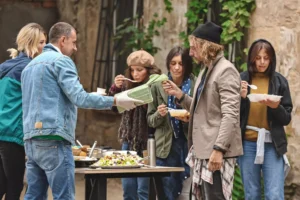
Let us all respond with thankfulness in action for the many gifts God has given us.
November 4, 2025
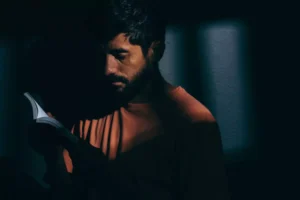
What if we lived in a country where attacks on churches were common and even encouraged? Or a nation that gave its approval to church violence?

October 6, 2025
Making disciples — whatever their marital status — happens when we walk in the footsteps of Jesus.

September 26, 2025
How I serve God in the world has more to do with my heart than my marital status.